Book summary · honest review
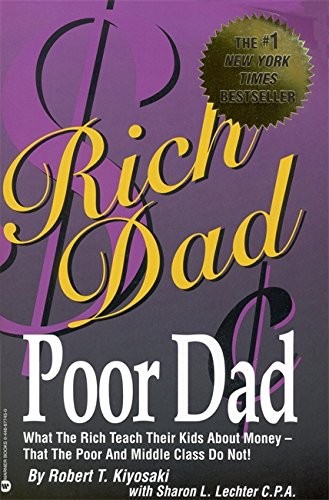
Rich Dad Poor Dad
Robert T. Kiyosaki · first published 1997
The mindset book that convinced millions to think like investors — heavy on why, famously light on how.
What the book actually says
Kiyosaki frames personal finance as a tale of two mentors: his educated but perpetually broke father, and a friend's father who built wealth without credentials. The argument he draws from the contrast is simple and genuinely useful — most people spend their lives working for money because nobody taught them how to make money work for them. The book's lasting contribution is its cash-flow lens: judge everything you own by whether it puts money in your pocket or takes it out, and spend your working years accumulating things that pay you. It became a phenomenon because it said, plainly and readably, what school never does — that salary, home equity, and job security are not a wealth plan. What it doesn't do is tell you how: there are no numbers, no step-by-step instructions, and the anecdotes are best read as parables rather than biography. Read it for the mental shift, then get the mechanics somewhere else.
Who it's for
Absolute beginners who need a reason to care about money at all, and anyone stuck in pure paycheck thinking. Experienced investors will find little that is actionable.
The honest criticism
The book is famously thin on concrete steps, whether 'rich dad' even existed is disputed, and its breezy attitude toward debt and leverage can genuinely hurt readers who take it literally.
The 5 lessons worth keeping
- An asset puts money into your pocket and a liability takes it out. Before any big purchase, ask which direction the cash will flow every month afterward.
- A paycheck alone rarely builds wealth because taxes and lifestyle rise with it. Route raises into investments before your spending has a chance to absorb them.
- Financial education compounds better than a high salary. An hour spent understanding taxes, debt, and returns keeps paying you for decades.
- Fear of losing money keeps most people from ever starting. Small, survivable experiments — a first index fund, a first rental analysis — beat waiting for certainty.
- Work to learn, not just to earn. Pick jobs and side projects for the skills they teach — selling, negotiating, accounting — not only the wage they pay.
Try the book's big idea with your numbers
Kiyosaki's 'make money work for you' is compounding in a suit — plug your own monthly number into the compound interest calculator and watch what an asset column does over 20 years.
Open the calculatorMore money books, summarized
Last reviewed August 31, 2026. Figures based on the book itself (Rich Dad Poor Dad, Robert T. Kiyosaki, 1997); this page is independent commentary and is not affiliated with the author or publisher. Estimates for general education, not financial advice.